

University students and office workers in the UK say they’re trapped in a vicious cycle of constant digital engagement.
Many of them report that the endless screen time and grating notifications have taken a toll on their mental health.
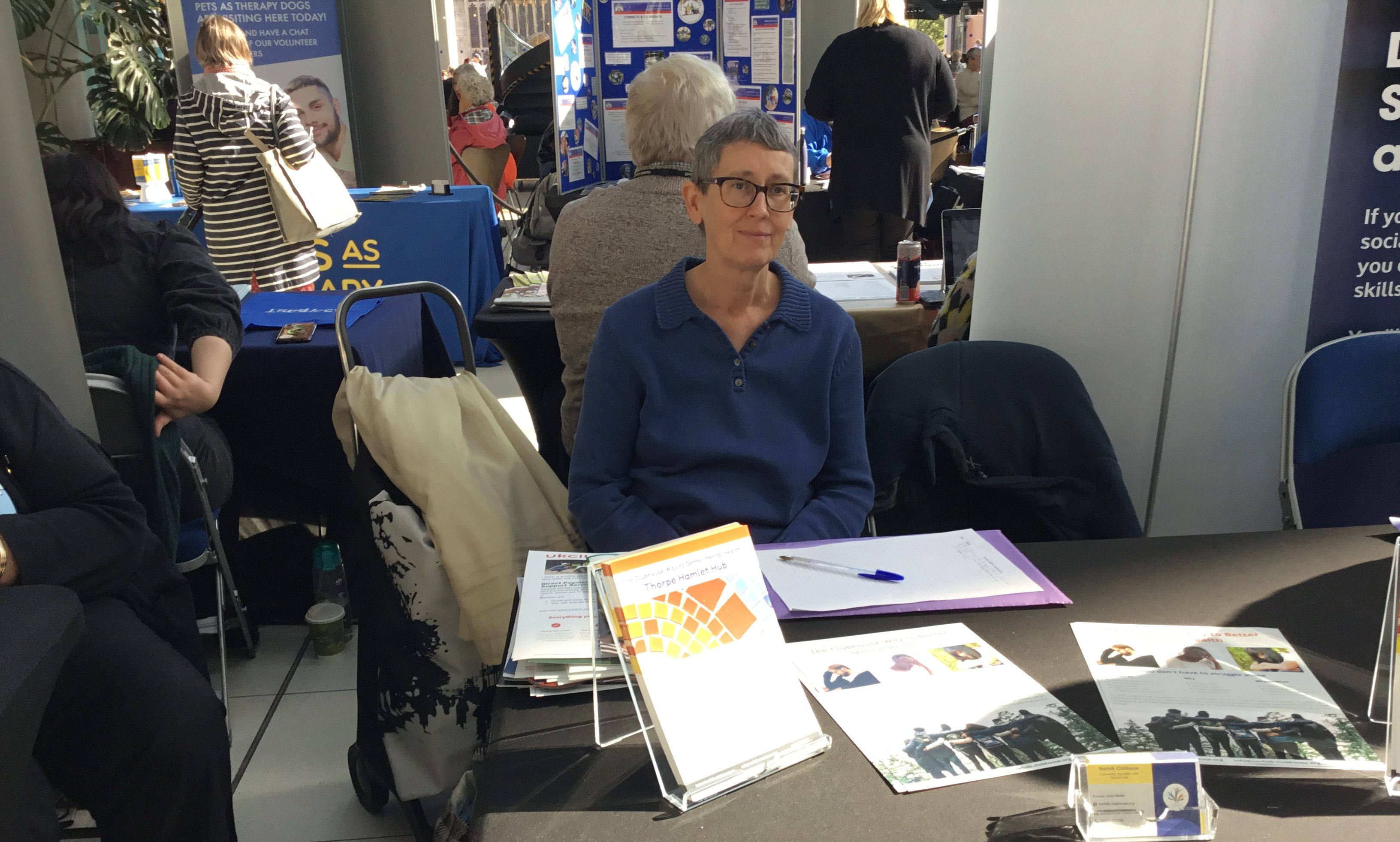
June Webb, a Norfolk-based mental health therapist, says the issue goes far beyond just screen time.
“The always-on culture creates addiction-like behaviours rather than medical conditions,” she explains.

Webb believes that society has accepted this behaviour as the new normal, and we need to mind our screen timings. “We need to say no to that; we need to limit our consumption, put boundaries in.”
She also adds that the constant scrolling through social media platforms and uneven consumption of online content add up to mental fatigue rather than well-being.
“We need to be always on because it feeds the algorithms, and it’s just a constant spiral.
“We need to say no to that, but these are very hard because it’s an addiction; we’re addicted to it.”
For many full-time workers in the UK, balancing flexibility and family time has become a daunting task, often citing hundreds of unread emails and demanding deadlines.
A study from YouGov found that 70% of UK employees struggle to switch off outside work hours, with many complaining about their lack of work-life balance.
Tim Whyles, a product manager from Suffolk, admitted to being part of the ongoing issue.
“I think I’m probably my own worst enemy. I have my work email and Teams on my phone at home.
“I’m quite bad at turning off; I’m always checking my phone, I’m always checking my work emails.”
A report from Twilio says that working professionals aged 35 to 50 are experiencing greater levels of digital burnout than any other age group in the UK.
On average, those aged 35-50 have over 2,200 unread emails—more than double the UK national average of 1,016.
This data shows a higher sense of pressure to stay online for hours.

Webb argues that individual practices and societal standards need to change.
“We need to treat it as an addiction and try and support individuals within that.
“But it’s a society issue as well. It’s often seen as a medical condition or a problem of people not coping.”
She also urges people to go out of their comfort zone and make meaningful relationships.
“It’s important for people to limit their consumption, to put in boundaries, to get outdoors, to meet face-to-face with people, to maintain relationships that have depth and meaning.”